Mental Health Conscious Living: Simple Steps to Protect Your Well-Being Every Day

In today’s fast-paced world, maintaining mental health can feel like a constant challenge. From work stress to family responsibilities, it is easy to neglect your emotional well-being. Yet being mental health conscious is one of the most important steps you can take to prevent burnout, support healthy relationships, and reduce the risk of addiction or other mental health challenges. At Atlantic Counseling Services, we understand that proactive mental wellness practices are key to living a balanced and fulfilling life.

What It Means to Be Mental Health Conscious

Being mental health conscious means more than just recognizing stress or mood changes. It involves actively caring for your emotional, psychological, and social well-being. This awareness allows you to manage challenges effectively, build resilience, and make healthier choices that positively impact your life.

Why Awareness Prevents Future Struggles

Many adults who seek treatment for addiction or mental health concerns often struggle because emotional self-care was overlooked for years. By developing mental health conscious habits early, you can prevent these struggles from escalating. Awareness fosters healthier coping mechanisms and reduces the likelihood of turning to substances, isolation, or other harmful behaviors.

Simple Daily Steps to Protect Your Well-Being

Prioritize Emotional Check-Ins

Take time each day to identify how you feel. Journaling, meditation, or simply pausing to reflect can help you understand your emotions before they overwhelm you. Recognizing triggers and stressors is the first step toward managing them effectively.

Maintain Healthy Boundaries

Protect your mental energy by setting clear limits in both personal and professional spaces. Saying no when necessary, delegating tasks, and taking breaks are all ways to maintain balance and prevent emotional exhaustion.

Practice Mindfulness and Stress-Reduction Techniques

Simple techniques such as deep breathing, guided meditation, or mindful walking can significantly reduce stress levels. These practices help ground you in the present moment, allowing you to respond thoughtfully rather than react impulsively to challenges.

Build a Support Network

Surround yourself with people who encourage emotional openness and understanding. Family, friends, or support groups can provide perspective, guidance, and comfort during stressful times. At Atlantic Counseling Services, we emphasize community as a vital component of recovery and long-term wellness.

Engage in Healthy Habits

Physical activity, proper nutrition, and sufficient sleep are closely linked to mental health. Regular exercise releases endorphins that boost mood, while balanced nutrition supports brain function and emotional stability. Prioritizing these habits reinforces mental health from the inside out.

How Being Mental Health Conscious Supports Recovery

For individuals navigating addiction or mental health treatment, being proactive about emotional wellness can accelerate recovery. Developing awareness, coping strategies, and healthy daily routines strengthens resilience and reduces the risk of relapse. Our holistic and individualized programs at Atlantic Counseling Services integrate these practices into treatment plans, helping clients build skills they can use long after formal care ends.

Making Mental Health Conscious Living a Lifestyle

Consistency is key. Mental health conscious living is not a one-time effort but an ongoing practice. By incorporating small daily steps, individuals can foster emotional strength, reduce stress, and protect overall well-being. Over time, these habits become second nature, providing lifelong benefits.

Take the First Step Toward Lifelong Wellness

Being mental health conscious empowers you to take control of your emotional well-being, prevent future struggles, and live a more balanced, fulfilling life. At Atlantic Counseling Services, we provide compassionate, holistic care tailored to individuals and families navigating addiction and mental health challenges.

If you or a loved one is seeking guidance or support, reach out today. Our team is ready to help you develop the skills, awareness, and strategies necessary to live a mentally healthy and resilient life.

Empathy First: Why Schools Should Teach Mental Wellness from the Start

Empathy is one of the most important life skills a person can learn. It allows us to connect, understand others, and build supportive communities. Yet, for many children, lessons about compassion and mental wellness are never formally taught in school. Prioritizing emotional education from the start can help shape healthier, more resilient individuals who are better equipped to handle stress, communicate effectively, and make positive choices.

At Atlantic Counseling Services, we see how the absence of early emotional education often leads to difficulties later in life. Many people who come to us for mental health treatment or addiction recovery are working to rebuild skills that could have made a difference much earlier—self-awareness, empathy, and emotional regulation. By starting these lessons in childhood, schools can play a powerful role in preventing future mental health challenges.

The Importance of Teaching Mental Wellness Early

Children are naturally empathetic, but empathy must be nurtured and guided. When schools introduce lessons about mental health and emotional intelligence early, students develop an understanding that feelings are normal and manageable. This emotional foundation helps them respond thoughtfully rather than react impulsively, reducing the risk of anxiety, conflict, and behavioral issues.

Understanding the Link Between Mental Health and Learning

Mental wellness directly influences how children learn, socialize, and perform in school. Students who feel supported emotionally are more engaged and motivated. They are also more resilient when facing setbacks. Integrating emotional wellness education in schools not only supports students’ mental health but also improves academic outcomes and overall school culture.

Empathy as a Preventive Measure

Teaching empathy and emotional literacy early is a proven preventive strategy. Children who learn to recognize and respect the emotions of others are less likely to engage in bullying or isolation. They are also more likely to form healthy relationships and manage stress effectively as adults. These are the same skills that, when lacking, can contribute to substance misuse or mental health struggles later in life.

How Schools Can Teach Mental Wellness

Building Emotional Vocabulary

Helping students label and understand their emotions gives them control over their inner world. Teachers can use daily check-ins, emotion charts, or group discussions to help children identify what they are feeling. This process normalizes open communication and emotional honesty, key components of mental wellness.

Integrating Mindfulness and Coping Skills

Simple breathing exercises, mindfulness moments, or guided reflection can help students develop calm and focus. These coping tools not only support classroom behavior but also translate into lifelong habits that reduce stress and anxiety. At Atlantic Counseling Services, we teach similar techniques to clients in recovery because of how effective they are in promoting self-awareness and stability.

Modeling Empathy in Action

Educators can foster empathy by modeling it. When teachers show compassion and patience, students learn to do the same. Group projects, peer support systems, and conflict-resolution activities can also strengthen understanding and cooperation among students.

The Long-Term Benefits for Families and Communities

Mental wellness education extends beyond the classroom. Emotionally healthy children become emotionally healthy adults who contribute positively to their families and communities. They are less likely to struggle with substance use, depression, or relationship instability. By teaching empathy first, schools are not just shaping better students—they are shaping future parents, partners, and leaders who understand how to care for themselves and others.

Why Empathy Matters in Addiction Prevention

Empathy is a powerful antidote to isolation, which is one of the root causes of addiction. When people feel seen, heard, and valued, they are less likely to seek escape through harmful behaviors. By teaching empathy early, schools can help children build the kind of inner strength and self-worth that protect against future struggles with mental health or addiction.

Planting the Seeds of Compassion Early

Mental wellness and empathy should not be optional lessons. They are essential life skills that shape how children grow, connect, and thrive. By integrating these lessons from the very beginning, schools can help prevent future emotional and behavioral challenges while promoting resilience and understanding.

At Atlantic Counseling Services, we believe that lasting healing starts with compassion and education. Our holistic, faith-based programs are designed to help individuals and families rebuild emotional wellness, strengthen relationships, and find renewed purpose. If you or someone you love is struggling with mental health or addiction, reach out today. Together, we can begin the journey toward healing with empathy at the center.

Raising Emotionally Fluent Kids Starts in the Classroom

In today’s fast-changing world, children face more emotional challenges than ever before. Between social pressures, technology, and shifting family dynamics, many young students struggle to express how they feel or manage overwhelming emotions. Teaching emotional fluency in the classroom can change that. By helping children understand and express their feelings early, educators can support not only their mental health but also their long-term well-being.

At Atlantic Counseling Services, we understand how early emotional awareness can prevent struggles that surface later in life. Many adults in addiction recovery or mental health treatment trace their challenges back to unaddressed emotions from childhood. The classroom, therefore, becomes one of the most powerful places to start building emotional fluency that lasts a lifetime.

Why Emotional Fluency Matters for Mental Health

Emotional fluency is the ability to identify, understand, and express emotions in healthy ways. It forms the foundation for mental and emotional resilience, helping children cope with stress, resolve conflicts, and build strong relationships. When children learn these skills early, they are better equipped to handle life’s inevitable difficulties without turning to unhealthy coping mechanisms like substance use, avoidance, or aggression.

The Link Between Early Emotional Education and Long-Term Stability

Children who learn to express emotions openly and respectfully tend to develop stronger communication skills as adults. These same skills contribute to healthier families, stable relationships, and greater self-awareness. Emotional fluency helps children develop empathy and problem-solving abilities—two qualities essential for maintaining emotional balance and preventing mental health crises later in life.

Building Emotional Fluency in the Classroom

Teaching Emotional Vocabulary

Many children lack the words to describe what they feel. Teachers can help by integrating emotional vocabulary into daily lessons. Simple check-ins like “How are you feeling today?” or visual emotion charts encourage children to recognize and name their feelings. This small step builds emotional awareness and normalizes emotional expression.

Encouraging Healthy Expression Through Play and Creativity

Play-based activities, art, and storytelling allow children to express emotions in safe and constructive ways. These creative outlets can reduce anxiety and frustration while teaching emotional regulation. Over time, students learn that expressing emotions does not make them weak—it makes them more resilient.

Creating Safe Classroom Environments

Emotional fluency thrives in safe, supportive environments. When teachers model calm communication, active listening, and empathy, students learn by example. Schools that invest in mental health education demonstrate to children that their emotional well-being matters just as much as their academic success.

The Role of Mental Health Education in Prevention

At Atlantic Counseling Services, we see how unprocessed emotions from childhood can lead to significant struggles in adulthood, including addiction, anxiety, and depression. Early education that prioritizes mental health helps prevent these outcomes by equipping children with the coping skills they need before problems escalate.

When mental health education is introduced in schools, it creates a bridge between students, parents, and counselors. Families benefit from having emotionally aware children who can communicate clearly, while schools benefit from calmer, more engaged classrooms. This preventative approach supports both academic and emotional growth.

The Connection to Family Healing and Recovery

Emotional fluency not only benefits children but also strengthens entire families. Children who understand emotions bring that awareness home, influencing family communication and reducing stress. Parents who support these lessons reinforce a culture of emotional honesty and empathy—two key ingredients in preventing cycles of conflict, addiction, or disconnection.

For families already navigating mental health or addiction challenges, these lessons can support healing. At Atlantic Counseling Services, we work with individuals and families to rebuild communication skills, restore trust, and strengthen emotional understanding. Our holistic and faith-based approach helps clients reconnect with themselves and with their loved ones in meaningful ways.

A Brighter Future Begins with Emotional Education

Raising emotionally fluent children begins in the classroom but continues in every part of life. By teaching emotional awareness, empathy, and coping strategies early, we help children grow into resilient adults capable of managing life’s challenges with strength and compassion.

At Atlantic Counseling Services, we believe that prevention starts with education. Whether your family is facing emotional difficulties, addiction recovery, or mental health challenges, we are here to help. Our individualized, holistic programs provide the guidance and support you need to build a healthier, more connected future.

Reach out today to learn more about how emotional awareness can transform not just classrooms, but entire families and communities.

How Early Mental Health Education Supports Family Stability Down the Road

Strong families are built on understanding, empathy, and healthy communication. Yet many of the emotional tools that support family stability start forming long before adulthood. Early mental health education, beginning in childhood, helps children learn how to manage their emotions, resolve conflicts, and build healthy relationships. These early lessons can shape the way they interact within their families for the rest of their lives.

At Atlantic Counseling Services, we see every day how emotional awareness and coping skills affect not just individuals, but entire families. Teaching children mental health concepts early can reduce future struggles with stress, addiction, and relationship breakdowns, laying the groundwork for stronger, more connected households.

The Connection Between Mental Health Education and Family Well-Being

When children learn emotional regulation, empathy, and communication at a young age, those skills carry into every stage of life. They grow into adults who can handle challenges without resorting to avoidance, anger, or substance use. Families that communicate openly and respond with compassion are better equipped to navigate life’s ups and downs together.

Emotional Awareness Starts at Home and in School

Mental health education in early schooling teaches children that feelings are normal and manageable. When schools integrate lessons about emotional awareness and self-regulation, children learn to identify what they feel and express it in healthy ways. Parents who reinforce these lessons at home strengthen the same foundation, creating a stable and nurturing family environment.

Preventing Cycles of Emotional Disconnection

Many adults who seek therapy or addiction recovery struggle with emotions they were never taught to process. By normalizing conversations about feelings and mental health early on, families can prevent the silence and misunderstanding that often lead to disconnection or unhealthy coping behaviors. Early education helps break this cycle, teaching both children and parents that emotional openness is a strength, not a weakness.

Early Mental Health Education as a Form of Prevention

Building Lifelong Coping Skills

Children who learn to manage stress, disappointment, and conflict early are less likely to turn to harmful coping mechanisms later. These foundational skills reduce the risk of addiction, anxiety, and depression in adulthood. At Atlantic Counseling Services, we help clients rebuild these same skills in recovery. Teaching them early, however, helps prevent crises before they begin.

Supporting Parental Mental Health

When children understand emotional regulation, it can also reduce stress for parents. Families with emotionally aware children often experience fewer behavioral conflicts, improving overall household stability. Parents who model calm communication and problem-solving not only support their child’s development but also reinforce their own mental well-being.

The Role of Schools and Communities

Schools as Partners in Family Health

Schools play a vital role in equipping students with life skills that extend beyond academics. When educators prioritize mental health education, they partner with families to nurture emotionally strong children. This shared responsibility benefits the entire community, as emotionally stable children grow into adults who contribute positively to society and model healthy family behaviors.

Community Programs and Counseling Support

Community mental health programs and family counseling services strengthen this foundation further. At Atlantic Counseling Services, we provide individualized support for families navigating emotional and behavioral challenges. Our holistic and faith-based approach helps individuals and families reconnect, heal, and rebuild the communication skills that support long-term stability.

Why It Matters for the Future

The lessons children learn about emotions and relationships in their early years shape their entire approach to life. When families, schools, and communities work together to prioritize mental health education, they are investing in a more resilient future. This proactive approach can reduce the prevalence of mental health crises and substance use disorders, replacing cycles of instability with patterns of understanding and care.

Building Families That Thrive

Mental health education in early childhood is not just about helping children succeed in school. It is about helping them grow into adults who can sustain healthy relationships, manage stress, and contribute to family stability. By teaching emotional intelligence early, we give families the tools to thrive together.

At Atlantic Counseling Services, we believe that emotional education is a lifelong skill that benefits every generation. Whether your family is struggling with communication, stress, or addiction recovery, our compassionate team can help. Reach out today to learn how our personalized, holistic approach can help you build lasting stability and healing for your family.

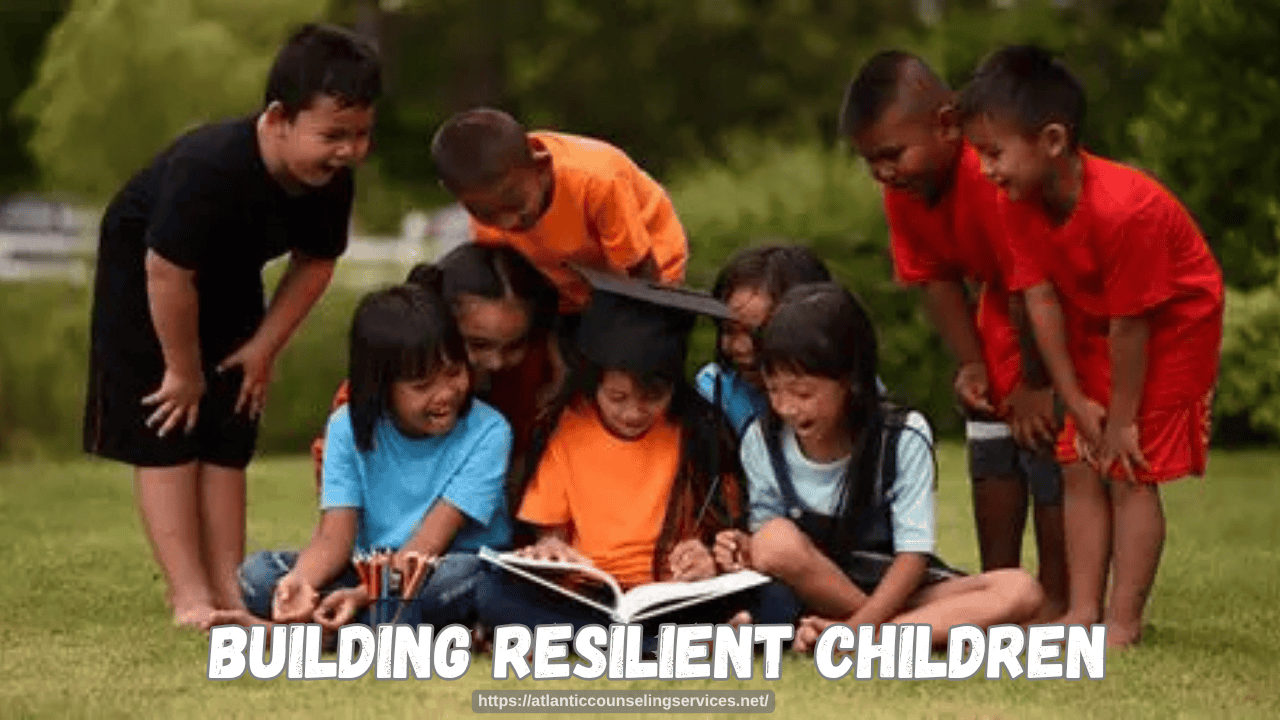
Building Resilient Children: The Case for Mental Health Education in Kindergarten

Resilience is one of the most valuable skills a child can carry into adulthood. It helps them bounce back from challenges, handle emotions in healthy ways, and form supportive relationships. While academics are often the main focus in early education, the truth is that mental health education in kindergarten can be just as important. By laying the foundation for emotional awareness and coping skills early, we can help children grow into strong, balanced adults who are less likely to struggle with issues like addiction, anxiety, and depression later in life.

Why Start Mental Health Education in Kindergarten?

Children are remarkably perceptive, and kindergarten is a critical stage where lifelong habits begin to form. Introducing mental health education at this age teaches children how to recognize and express their emotions, communicate with peers, and manage stress. Without these skills, frustrations may build over time and eventually turn into unhealthy coping mechanisms such as substance use or withdrawal from relationships.

At Atlantic Counseling Services, we see firsthand how a lack of emotional education can impact adults in recovery. By teaching resilience and self-awareness early, schools can help prevent many of the struggles that bring people to treatment later in life.

Core Components of Early Mental Health Education

Teaching Emotional Awareness

Children often feel big emotions they do not yet have the words to explain. Kindergarten classrooms can introduce basic emotional vocabulary and help students identify what they are feeling. This awareness is the first step toward managing emotions in healthy, constructive ways.

Building Coping and Problem-Solving Skills

Simple practices such as deep breathing, mindfulness exercises, or guided play can help children calm themselves and navigate challenges. These same coping tools are often used in addiction recovery programs, which shows how universal and effective they can be across a lifetime.

Fostering Empathy and Connection

Mental health education also teaches children to recognize and respect the feelings of others. By learning empathy early, children develop stronger relationships and healthier social skills. This reduces isolation and builds a support system that can help protect against future mental health and addiction challenges.

The Role of Schools and Families in Building Resilience

Creating Supportive School Environments

Schools that integrate mental health education send a clear message that emotional well-being matters as much as academic success. This creates a safe, supportive environment where children feel understood and valued, which is critical for healthy development.

Reinforcing Skills at Home

Families play a vital role in supporting emotional education. Parents can model healthy coping strategies, encourage open communication, and validate their child’s feelings. This consistency between school and home strengthens resilience and equips children to manage stress throughout their lives.

Mental Health Education as Prevention

By teaching children how to recognize emotions, handle stress, and connect with others, mental health education acts as a form of prevention. It reduces the risk of harmful coping strategies, including substance use, that often begin as attempts to manage overwhelming emotions. At Atlantic Counseling Services, we know that early prevention is one of the most powerful tools for breaking cycles of addiction and supporting long-term wellness.

Investing in Resilient Futures

Mental health education in kindergarten is not just an extra lesson. It is a foundation for a child’s emotional and social development, helping them grow into resilient adults who can navigate life’s challenges without falling into destructive patterns.

At Atlantic Counseling Services, we believe that investing in emotional education early is one of the most compassionate steps society can take. If you or someone you love is facing challenges with mental health or addiction, our team is here to provide individualized, holistic care that supports healing and lasting recovery. Contact us today to learn how we can walk with you on the path to resilience and wellness.

Why Early Emotional Education Helps Prevent Adult Struggles

Emotional intelligence is not a skill that develops overnight. It begins in childhood, when children first learn to recognize, understand, and manage their feelings. At Atlantic Counseling Services, we have witnessed how early emotional education can dramatically reduce the risk of adult struggles, including addiction, anxiety, depression, and relationship challenges. By introducing children to emotional literacy from the start, we provide them with tools that promote resilience, healthy coping, and lifelong mental wellness.

The Link Between Early Emotional Education and Adult Well-Being

Children who develop emotional skills early are better equipped to handle stress, disappointment, and conflict. These skills help prevent unhealthy coping mechanisms, such as substance use or self-isolation, that can persist into adulthood. Research consistently shows that children who learn to manage their emotions grow into adults with higher self-esteem, stronger relationships, and better overall mental health.

At Atlantic Counseling Services, our holistic and client-centered approach mirrors this philosophy. Just as we teach individuals in recovery to recognize and respond to their emotions, early education provides children with the foundation to navigate life without relying on harmful behaviors.

Core Emotional Skills That Prevent Future Struggles

Emotional Awareness and Identification

The first step in emotional education is teaching children to recognize what they are feeling. Identifying emotions such as anger, fear, or sadness allows them to express these feelings appropriately. Without this awareness, children may internalize stress or act out in harmful ways, which can contribute to long-term mental health issues or risky behaviors.

Healthy Coping and Problem-Solving

Equipping children with coping strategies like mindfulness, deep breathing, and constructive communication helps them manage stress and frustration effectively. These same strategies are often introduced in addiction recovery programs, showing the enduring impact of early emotional education on long-term resilience.

Building Empathy and Social Skills

Understanding one’s own emotions goes hand in hand with recognizing the feelings of others. Early emotional education promotes empathy, cooperation, and conflict resolution. These skills reduce the risk of relationship problems in adulthood and foster supportive social networks, which are essential for mental health and recovery.

How Schools and Families Can Foster Emotional Growth

Incorporating Emotional Lessons into Daily Activities

Simple classroom practices like emotion check-ins, role-playing, or group discussions help children learn emotional vocabulary and problem-solving techniques. Schools that prioritize these lessons create a safe environment where children feel supported in exploring their feelings.

Reinforcing Emotional Skills at Home

Parents and caregivers are critical in reinforcing emotional learning. Modeling healthy expression, active listening, and stress management at home ensures that children consistently practice the skills learned at school. Our faith-based and holistic approach at Atlantic Counseling Services emphasizes family involvement as a key component of lifelong mental wellness.

Early Emotional Education and Addiction Prevention

Emotional literacy in childhood can serve as a protective factor against addiction. When children understand and manage their emotions, they are less likely to turn to substances as a coping mechanism. Early education helps break cycles of emotional neglect and equips future adults with the tools to make healthier choices, fostering both individual well-being and family stability.

Take the First Step Toward Lifelong Emotional Health

Investing in emotional education early is an investment in a healthier, stronger future. Children who develop emotional awareness, coping strategies, and empathy are better prepared to navigate life’s challenges and avoid adult struggles related to mental health and addiction.

At Atlantic Counseling Services, we provide compassionate, individualized care for individuals and families facing mental health challenges and addiction. If you or a loved one is struggling, reach out today to learn how our holistic approach can support your journey toward recovery, resilience, and lifelong emotional wellness.

Laying the Foundation: Mental Health Skills Kids Carry Through Life

Every child deserves the chance to grow with confidence, resilience, and emotional strength. While academics prepare students for careers, mental health education equips them with tools they will carry throughout life. At Atlantic Counseling Services, we know that early emotional learning not only supports healthy childhood development but also plays a vital role in preventing future struggles with addiction, anxiety, depression, and other challenges. Building these skills early lays a foundation that can support lifelong recovery, healing, and wellness.

Why Early Mental Health Education Matters

Children begin experiencing complex emotions long before they have the words to express them. By teaching emotional awareness, self-regulation, and coping strategies in early education, we prepare kids to face challenges without fear or shame. These lessons extend into adolescence and adulthood, guiding healthier decision-making and encouraging open communication.

For many individuals we serve in addiction recovery, the lack of early coping skills often contributed to unhealthy behaviors. If more children were introduced to mental health education early, the cycle of silence, stigma, and substance misuse could be interrupted before it begins.

Core Skills That Support Lifelong Wellness

Emotional Awareness and Expression

The ability to recognize and name emotions is one of the most important skills a child can learn. Emotional awareness helps children articulate what they feel and seek support when they need it. This early practice prevents bottling up feelings, which often leads to destructive coping behaviors later in life.

Healthy Coping Strategies

From deep breathing and mindfulness to journaling or talking with a trusted adult, coping strategies equip children to handle stress. These same practices are vital tools for adults in recovery, showing just how enduring early mental health skills can be.

Building Empathy and Connection

Children who are taught to consider the feelings of others learn to foster compassion and understanding. These qualities support healthier relationships, reduce conflict, and create strong communities. In recovery, empathy becomes a cornerstone for repairing relationships and building supportive networks.

How Families and Schools Shape Lifelong Habits

Schools as Safe Learning Environments

Schools that incorporate mental health lessons into daily routines send a powerful message: mental wellness matters. Activities such as morning check-ins, group discussions, and role-playing scenarios normalize emotions and reduce stigma.

Families as the First Teachers

Parents and caregivers play an equally important role. Modeling open communication and healthy stress management at home reinforces what children learn in school. At Atlantic Counseling Services, we encourage family involvement in therapy because healing and growth are strongest when the whole household participates.

Connecting Early Skills to Recovery and Healing

The same foundational skills taught in childhood—self-awareness, resilience, coping, and empathy—are essential to recovery. In our inpatient and outpatient programs, clients often relearn these tools as part of their healing journey. By teaching them early, we give children a lifelong advantage that can reduce the likelihood of addiction or untreated mental illness in the future.

Building Strong Foundations Today

Mental health education is not a luxury. It is an essential part of raising children who are prepared to meet life’s challenges with strength and resilience. At Atlantic Counseling Services, our compassionate and individualized approach to care reflects this same belief. We know that the skills learned in childhood can make a lasting difference in recovery, relationships, and overall well-being.

If you or someone you love is seeking support for addiction recovery or mental health challenges, we are here to help. Contact Atlantic Counseling Services today to take the first step toward building a stronger foundation for a healthier, brighter future.

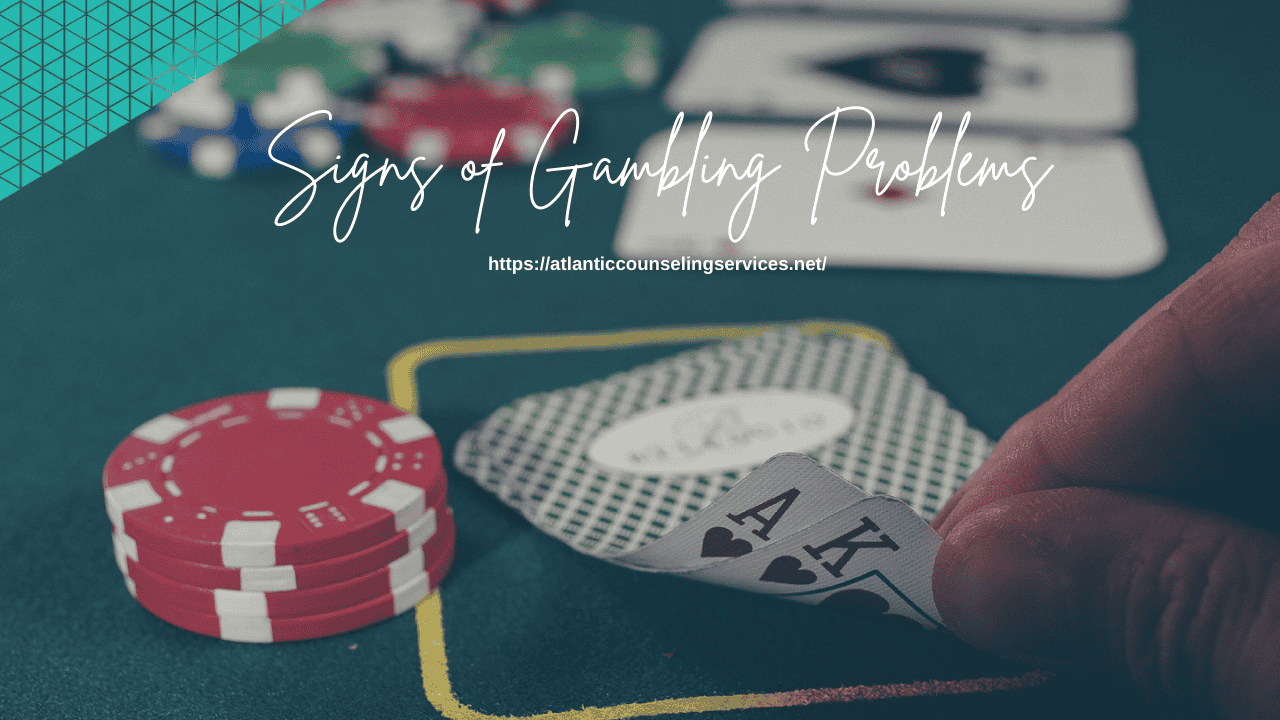
Is It Just a Game? How to Detect Gambling Problems Early

For many people, gambling begins as a harmless activity. Buying a lottery ticket, playing a slot machine, or placing a friendly bet can feel like entertainment. However, what starts as a game can slowly shift into something more serious. Gambling addiction often develops quietly, with subtle warning signs that are easy to overlook. Recognizing these signals early can prevent lasting harm and open the door to recovery. At APGSO – STJPO, we believe that awareness is the first step toward healing.

Why Early Detection Matters

Gambling problems rarely appear overnight. Instead, they grow gradually, often hidden beneath everyday routines. Unlike substance use, there are no physical markers to alert friends and family. This makes early detection especially important. When individuals notice changes in behavior, mood, or financial patterns, they can act sooner and access the support they need before the consequences become overwhelming.

Early Signs of Gambling Problems

Preoccupation with Gambling

A key early sign is when gambling begins to dominate thoughts. If someone constantly thinks about past games, plans the next bet, or struggles to focus on anything else, gambling may be becoming a problem.

Chasing Losses

Placing bigger bets to recover past losses is a classic red flag. This cycle can quickly spiral into financial distress and emotional turmoil.

Changes in Behavior or Mood

Irritability, secrecy, or unexplained mood swings may signal hidden struggles with gambling. Friends and family might notice someone withdrawing from social activities or becoming defensive when gambling is mentioned.

Financial Warning Signs

Borrowing money, hiding bank statements, or struggling to meet regular expenses despite steady income can point to an emerging gambling problem.

Neglect of Responsibilities

When gambling begins to take priority over work, school, family, or personal health, it is no longer just a game. Missed deadlines, skipped obligations, or strained relationships often signal deeper concerns.

The Emotional Impact of Ignoring the Signs

Left unaddressed, gambling problems can lead to significant stress, anxiety, and depression. Feelings of shame or guilt often make individuals hide their struggles, delaying the decision to seek help. This secrecy can create distance in relationships and increase the emotional burden. By paying attention to the early warning signs, both individuals and loved ones can act before the damage becomes severe.

Compassionate Care for Gambling Addiction

At APGSO – STJPO, we provide more than just treatment. We offer addiction recovery services, mental health support, inpatient and outpatient care, and holistic, faith-based approaches. Our team takes time to understand each person’s unique story, offering individualized care that restores balance to mind, body, and spirit. We believe recovery is possible with the right support and compassionate guidance.

Taking the First Step Toward Healing

Gambling may start as a game, but it should never come at the cost of your well-being or relationships. If you recognize these early signs in yourself or someone you love, do not wait for the problem to escalate. The sooner support begins, the greater the chance for lasting recovery. Reach out to APGSO – STJPO today and take the first step toward a healthier, hope-filled future.

From Play to Purpose: Why Early Mental Health Education Matters

Early childhood is a time of exploration, curiosity, and play. It is also a critical period for emotional and mental development. At Atlantic Counseling Services, we recognize that the skills children develop in their earliest years form the foundation for resilience, healthy coping strategies, and lifelong well-being. By introducing mental health education early, we can equip children with the tools they need to navigate challenges, build strong relationships, and prevent future struggles with addiction or mental health issues.

The Role of Early Mental Health Education

Children experience and express emotions before they can fully articulate them. Early mental health education helps them identify, understand, and regulate these emotions. Learning to recognize feelings like frustration, anxiety, or sadness allows children to respond in healthy ways rather than acting out or internalizing stress.

Early emotional education also supports cognitive and social development. Studies show that children who receive guidance in understanding emotions demonstrate better focus, problem-solving skills, and empathy. These benefits not only improve academic performance but also foster healthy relationships at home, school, and in the community.

How Early Emotional Skills Influence Lifelong Well-Being

Building Resilience from the Start

Resilience is the ability to bounce back from challenges and stress. Children who learn coping strategies at a young age develop a sense of confidence and self-efficacy that carries into adolescence and adulthood. These skills can prevent harmful coping behaviors such as substance use, self-harm, or unhealthy dependency on others. At Atlantic Counseling Services, our addiction recovery programs often highlight the importance of early intervention and emotional literacy as protective factors against future struggles.

Supporting Mental Health Before Crisis Emerges

Introducing mental health education early allows children to recognize when they need help. Understanding their emotions and the concept of mental wellness creates awareness that seeking support is normal and healthy. This approach aligns with our client-centered philosophy, where early detection and compassionate guidance can make the difference between manageable stress and a full-blown crisis.

Practical Strategies for Early Mental Health Education

Integrating Play and Learning

Play is more than fun. It is a natural way for children to process experiences and develop social skills. Teachers and caregivers can structure activities that encourage emotional expression, problem-solving, and cooperation. Simple exercises like role-playing, storytelling, or guided reflection help children learn to identify emotions and practice empathy.

Teaching Coping Tools Through Daily Routines

Introducing small, age-appropriate strategies such as deep breathing, mindfulness exercises, or journaling can provide children with lifelong coping mechanisms. Consistently practicing these techniques helps children internalize healthy ways to manage stress, frustration, and disappointment.

Involving Families in Emotional Growth

Families play a key role in reinforcing lessons learned at school. Open communication, modeling healthy emotional expression, and encouraging children to share their feelings helps create a supportive home environment. At Atlantic Counseling Services, we often work with families to strengthen these skills, recognizing that holistic care extends beyond the individual.

From Play to Purpose

Early mental health education transforms play into purposeful learning, equipping children with the skills to thrive emotionally, socially, and academically. By planting these seeds of resilience and emotional awareness, we can prevent future challenges with mental health and addiction while fostering a generation capable of healthy coping and strong relationships.

Atlantic Counseling Services is dedicated to supporting individuals and families with compassionate, holistic, and individualized care. Whether you are seeking guidance for a child, adolescent, or adult, our team is here to provide the support and tools necessary for lasting mental wellness. Reach out today and take the first step toward a healthier, stronger future.

Why Classroom Lessons Should Include Emotional Intelligence from Day One

Emotional intelligence is just as important as reading, writing, and math. When children are taught to recognize, understand, and manage their emotions early in life, they build skills that serve them far beyond the classroom. At Atlantic Counseling Services, we know that the ability to navigate emotions is not only essential for academic success but also critical in preventing future struggles with addiction, mental health challenges, and interpersonal conflict. Building emotional intelligence from day one lays the groundwork for healthier choices, stronger resilience, and lasting well-being.

The Importance of Emotional Intelligence in Early Education

When emotional intelligence is introduced in schools, children gain the ability to:

  • Identify and express feelings in healthy ways.
  • Develop empathy and build stronger relationships.
  • Manage stress, anger, and frustration without resorting to harmful behaviors.

These skills are not simply academic tools. They are protective factors that reduce the risk of future struggles with depression, anxiety, or substance use. Just as we believe in a holistic and individualized approach to healing, emotional education must be woven into everyday classroom lessons to help every child thrive.

How Emotional Intelligence Connects to Recovery and Prevention

Building Resilience Before Life’s Challenges Arrive

Children who learn emotional regulation early are better prepared for challenges that arise in adolescence and adulthood. They have healthier coping strategies, which lowers the likelihood of turning to drugs or alcohol to manage stress or pain. At Atlantic Counseling Services, we often see how the absence of these early skills can contribute to cycles of addiction. Teaching them proactively gives children a strong defense against those risks.

Breaking Down Stigma Around Mental Health

Incorporating emotional education in schools also normalizes discussions about mental health. Instead of viewing emotions like sadness, worry, or anger as weaknesses, children learn to see them as signals that deserve attention. This mirrors the compassionate, client-centered care we provide in addiction recovery and mental health treatment, where acknowledging emotions is the first step toward healing.

Practical Ways Schools Can Teach Emotional Intelligence

Daily Check-Ins and Reflection

Teachers can begin each day by inviting students to share how they feel. Even simple prompts like “happy,” “worried,” or “excited” help children build vocabulary for their emotions.

Teaching Coping Strategies

Introducing basic techniques such as deep breathing, mindfulness, or journaling equips students with lifelong tools for stress management. These same practices are often used in therapy for addiction recovery, demonstrating their effectiveness across all stages of life.

Encouraging Empathy Through Group Activities

Group discussions and role-playing activities foster empathy, helping students understand different perspectives. This not only creates a supportive classroom culture but also mirrors the community-based support that plays a key role in recovery programs.

How Emotional Education Supports Families

When schools teach emotional intelligence, they also empower families. Children bring these skills home, influencing siblings and even parents who may be navigating their own struggles. At Atlantic Counseling Services, we know that healing is most powerful when it extends beyond the individual to the entire family unit. Emotional intelligence can be the bridge that strengthens communication and connection at home.

Start Building Emotional Strength Today

From the first day of school, children deserve lessons that prepare them for more than academics. Emotional intelligence is a lifelong skill that protects against addiction, builds resilience, and supports overall well-being. At Atlantic Counseling Services, we are committed to providing holistic, faith-based, and individualized care for individuals and families facing addiction and mental health challenges.

If you or someone you love is struggling, now is the time to take the next step. Reach out to our team today and discover compassionate support designed to help you or your family grow stronger, one step at a time.